Foxes

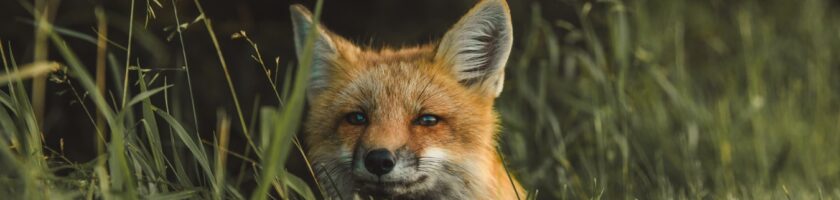
Foxes breed just once a year. The mating season begins in January when the screeching mating cries can be heard during the night and the early hours. A litter of four to five cubs is born about late March, and the cubs remain exclusively inside the den for about six to eight weeks. The cubs leave the den around June or July and will begin to learn how to forage for food. By September, the cubs will be just about fully grown, and in late October the cubs leave the family, to set up their own territory, often nearby. Foxes are omnivorous; their usual diet is birds (small wild birds, chickens, ducks etc etc), worms, small mammals (wild and pet rabbits, guinea pigs etc ), insects, fruit and household refuse.

Foxes can be a concern, especially when a family has small children. We are well equipped to deal with these unwanted visitors.

Flies

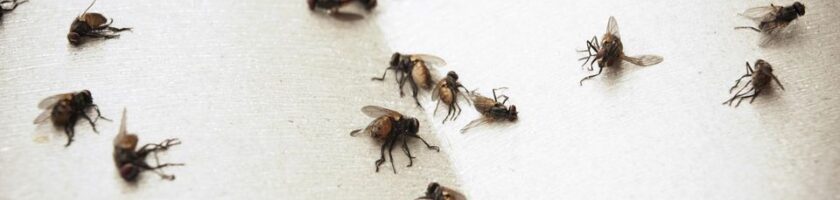
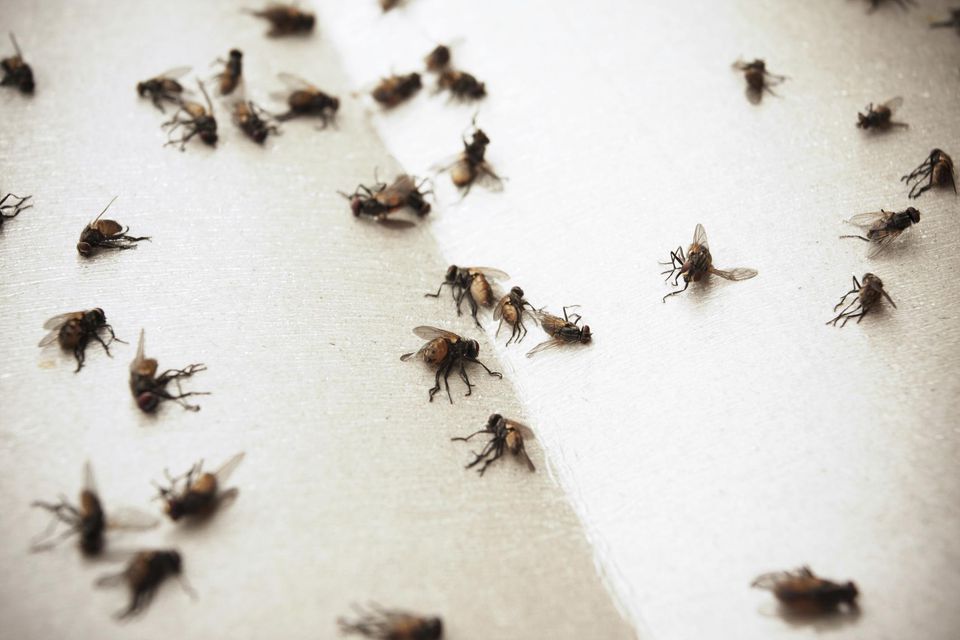
There are many types of flies in buildings and in order to deal with them effectively it is essential to correctly identify the species and what it is that is facilitating their presence. This is where our training and expertise comes in. Whether you are finding Cluster flies, Fruit flies or Phorid flies, we will be able to identify the species and pinpoint the source.

Fleas

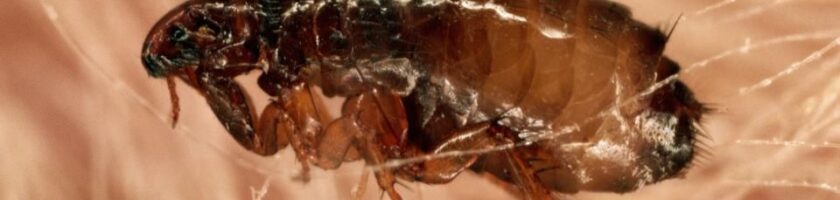
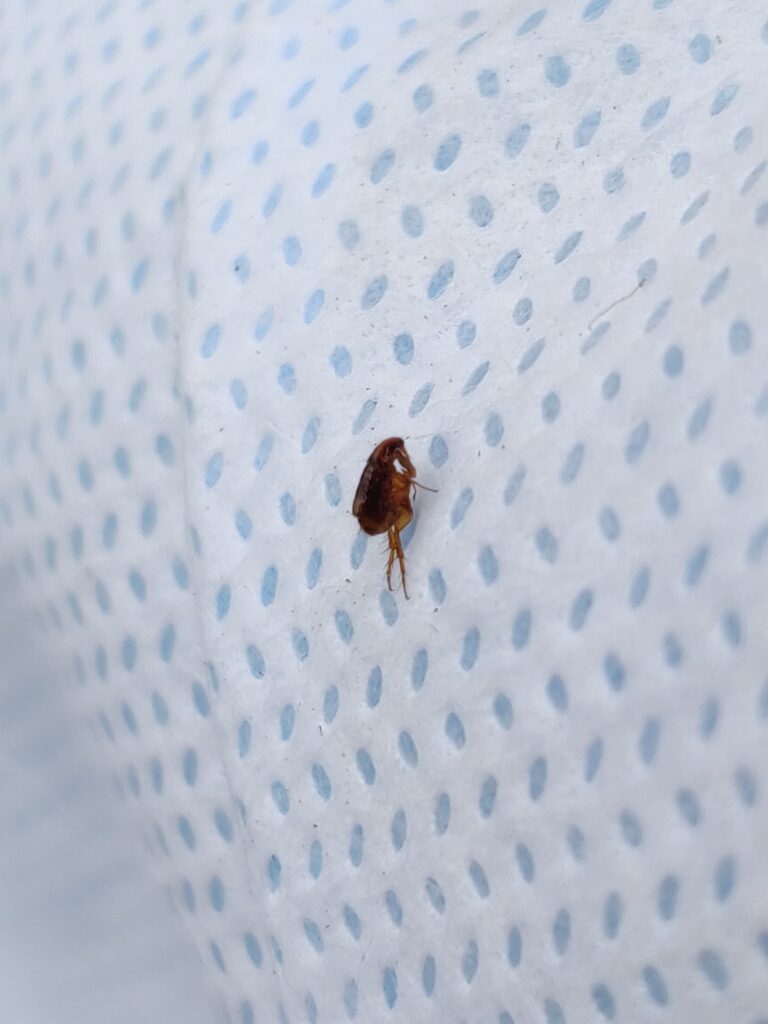
Are you finding that yourself or a family member is being bitten around the Ankle, Wrist or Midriff?  Family pet scratching more than normal? This could be there work of the dreaded Flea.  Forget overpriced publicly available treatments and call a professional.  Often, we are told that people wish they had just called in the professionals instead of spending a small fortune trying to self treat.  Flea infestations are easily treated using the most effective approved insecticides available for professional use. 

We perform a crack and crevice surface spray of the entire house, soft furnishings, and floors with a long-lasting liquid insecticide followed by a fogging of the entire property with an Insecticidal fog for an instant knockdown.  It is perfectly safe for your family and pets too. This is then followed up three weeks later with the same treatment in order to break the lifecycle of the flea.  We guarantee our work so you needn’t worry, we will get rid of them.

Cockroaches

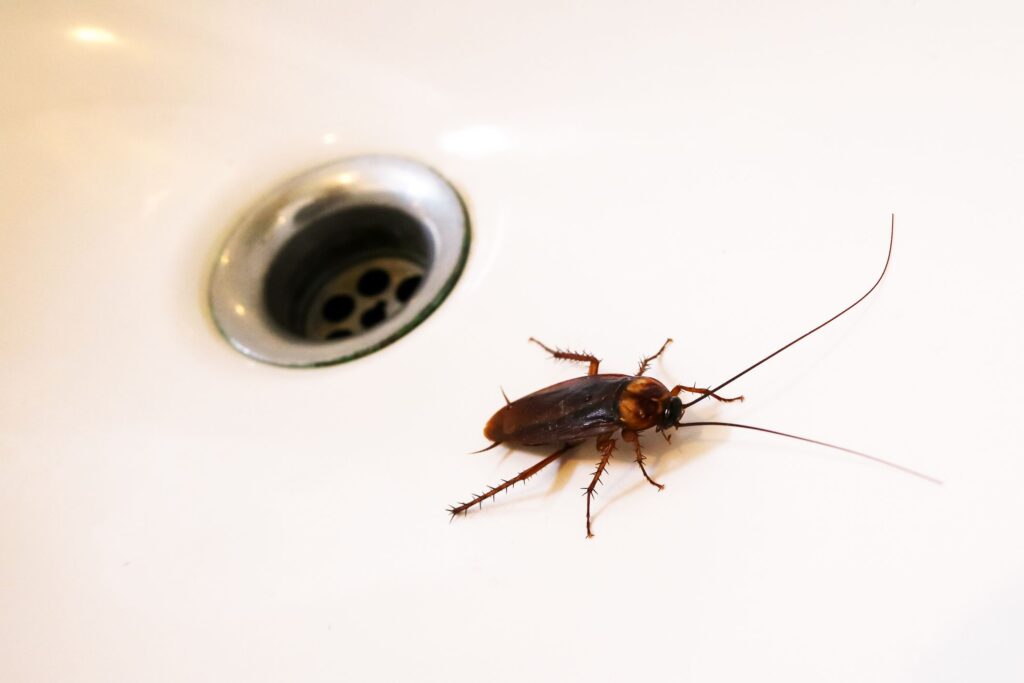
Did you know that a cockroach can survive for 9 days without its head before it starves to death? Fortunately, once we are involved in dealing with a cockroach infestation, they don’t make it even that long. Using a targeted approach we are able to deal with a cockroach infestation effectively and follow it up where required with regular monitoring to make sure that it doesn’t happen again and disinfection to deal with the mess that they have left behind. We’re able to steam clean with superheated dry steam and apply an airborne sanitiser to large spaces in order to kill off any pathogens that may be hiding in those unnoticed nooks and crannies.

Birds

Pigeons

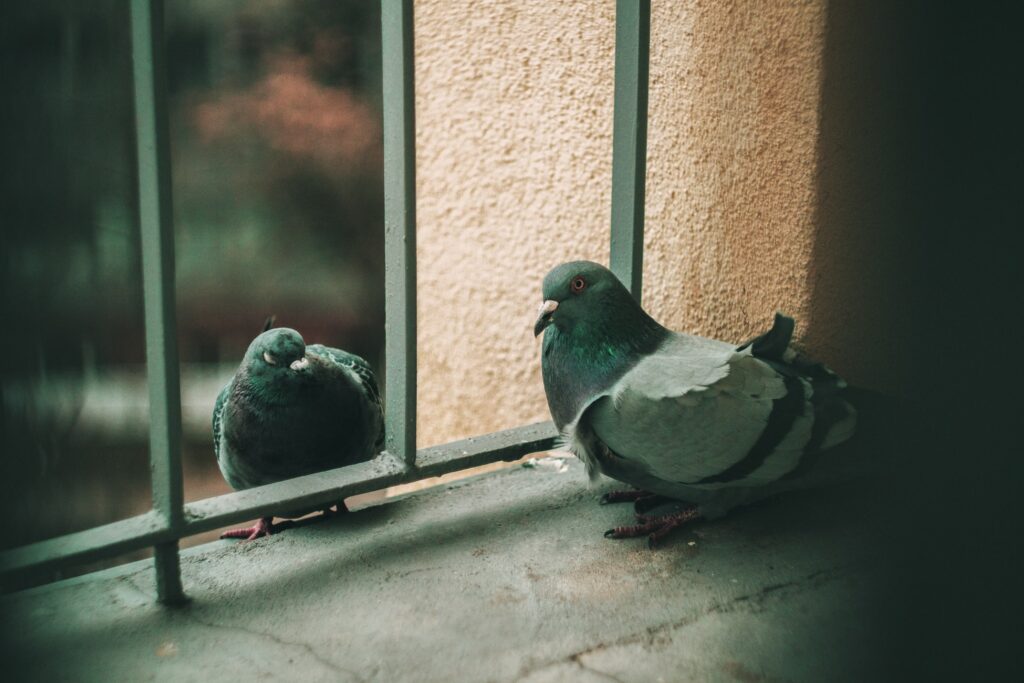
Pigeons are a very intelligent and complex pest. Whether it’s a feral pigeon leaving a mess wherever it goes or a wood pigeon destroying your crop we are equipped to deal with it. They have a lifespan of between 3 and 5 years. Contrary to popular belief pigeon faeces doesn’t pose too much of a health risk. It is only a risk to those with preexisting breathing difficulties in large, dry quantities where the dust from the guano can irritate the respiratory system. This however, doesn’t make it pleasant. It can still be a slip hazard and it’s never good when it lands on your freshly cleaned cars/buses/trains etc.

Bedbugs

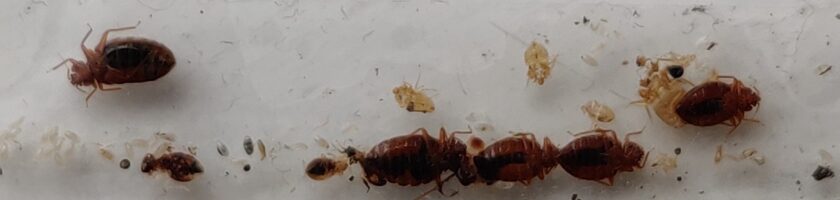
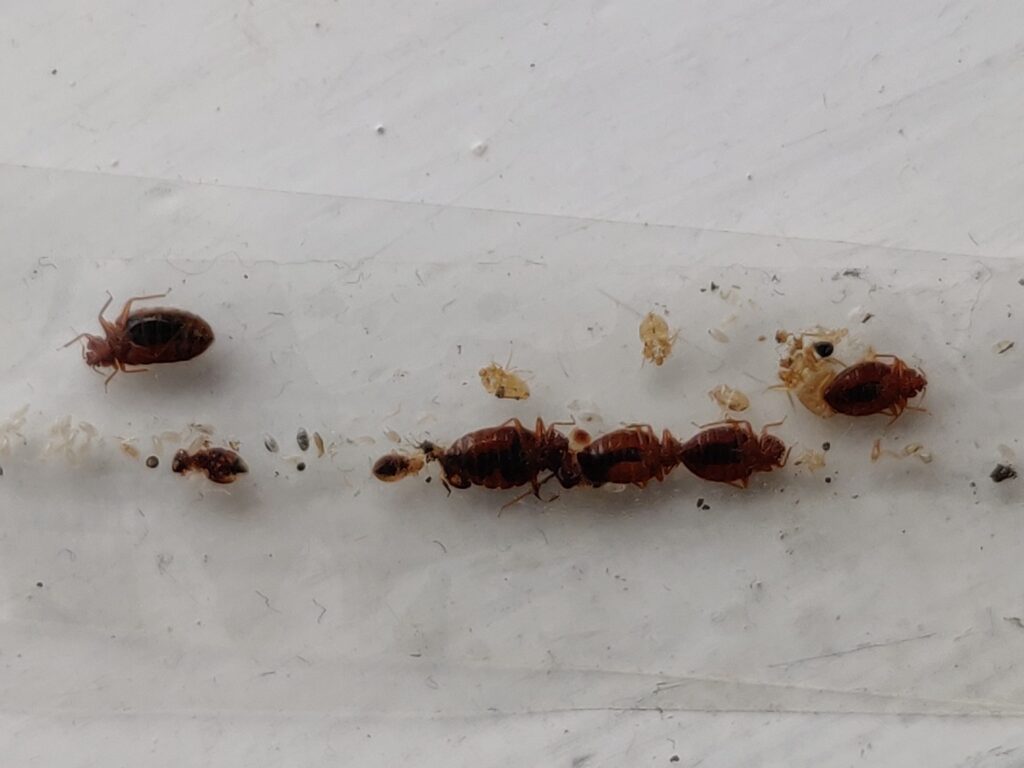
With more and more people being able to afford holidays, bedbugs are becoming more and more prevalent.  These little critters hide in bed frames, behind light switches, plug sockets and in nooks and crannies.  Once they detect your presence through your body heat or the carbon dioxide in your breath, they emerge for a lovely warm meal…….. YOU.

Bedbug bites are generally large red marks in lines on the body where they have fed multiple times as they walk along.  Other signs of bedbugs are black spots on beds or bedding and a sweet coriander like smell.

We are trained to recognise and have a lot of experience in dealing with bedbugs so if you suspect their presence, give us a call.

Bees

A Bee or Not a Bee?…… THAT is the question.

As the weather has improved lately the Pest phone has been ringing off the hook with good folk that are worried that they have a swarm of Wasps around their gutters at roof height. Upon arrival I have the pleasure of announcing to these gentle folk that they aren’t blighted by Wasps but they are infact blessed with bees. This is what I want to try and help with. I want to share a little knowledge that might help identify those buzzy things and allay your fears if I can.

Firstly, it is a common misconception that nothing can be done with bees and that they are protected. This is NOT the case. They are endangered and they are of huge importance but they are NOT protected. As such, if they are presenting a danger, necessary action can be taken. It isn’t taken lightly and it isn’t something that we like to do but sometimes a badly located bumblebee nest has to be treated.

Now then, If you have a large number of buzzing insects hanging around your gutters looking like they’re not actually doing much other than flying around aimlessly then there’s a good chance that you have bumblebees.

Bumblebees

Big, fluffy bees that come in a variety of colours but tend to all be the same big fluffy shape. At roof height these guys will present you no problems. They exploit gaps under roof tiles or in brickwork to access either loft space or wall cavities where they then build their nest. On a hot sunny day their movements can seem frantic or frenzied but rest assured, there is nothing wrong with them, it’s perfectly normal. These guys will not attack unless you get very close and they feel threatened. They will only sting you if it is life or death as if they sting, they die. They will not damage your house but WILL do wonders for your garden!  After 6-8 weeks they will disappear of their own accord and life will return to normal. In the meantime, grab a beer or a g&t, sit in the garden and be mesmerised by their movements.

Mason Bees

These are small solitary bees with a little red fur that tend to live in cracks in masonry or in rockeries. Their sting is not strong enough to penetrate human skin and is not barbed. These guys build a tiny nest, normally at the end of a tube that they have dug into the mortar between bricks and hatch just one or two young. Once their young have hatched, that’s it, they move on.

Honey Bees

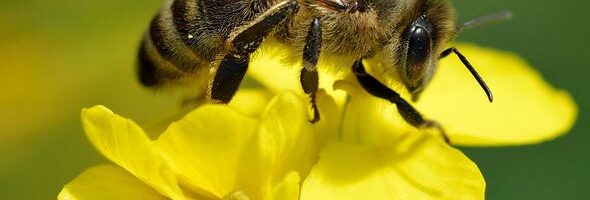
These guys are the honey makers. They flit from plant to plant collecting pollen, taking it back to their hive and make honey from it. If you see these guys they are normally either in a big ball (swarm) which is how they travel and beekeepers will collect these or individually foraging for pollen to take back to an established hive. If you see a swarm, stay away from it as while they are swarming these guys are on high alert. A member of the British beekeepers association will want to collect the swarm wherever possible and you can contact them by clicking this link : https://www.bbka.org.uk/help/do_you_have_a_swarm.php

If you do have honeybees in your home, they will build honeycomb and produce honey so it is in your interest to have these guys collected and rehomed by a beekeeper wherever possible.

All three of the above species are of HUGE benefit to local ecology so wherever possible we will try to persuade you to spare them.

Bats

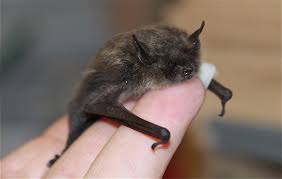
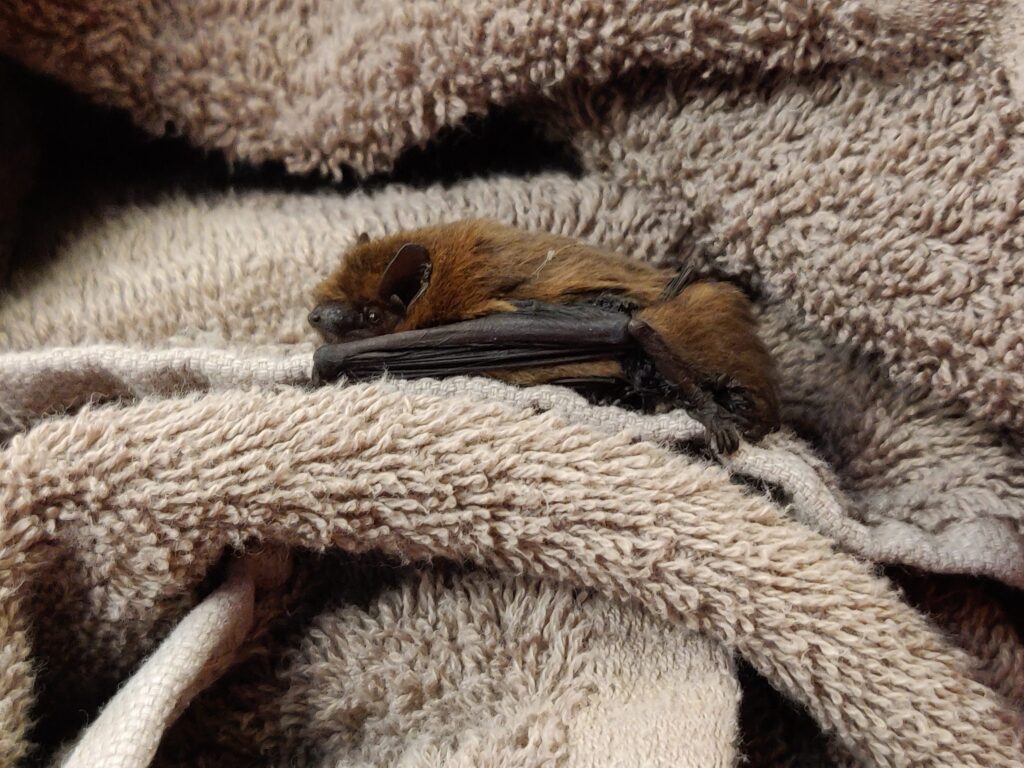
All bats and their roosts are protected under the Wildlife and Countryside Act of 1981. As such it is against the law to even disturb a bat roost with huge penalties for those failing to abide by the law. With this in mind, with every loft that we enter and with every job that we do, we are mindful of bats.

Should we find evidence of bats in your home we will alert you and if needs be, stop what we are doing. Normally this only results in a small delay while the appropriate agencies are consulted and then the work carried out according to their advice and recommendations.

Ants

Ants

Ants

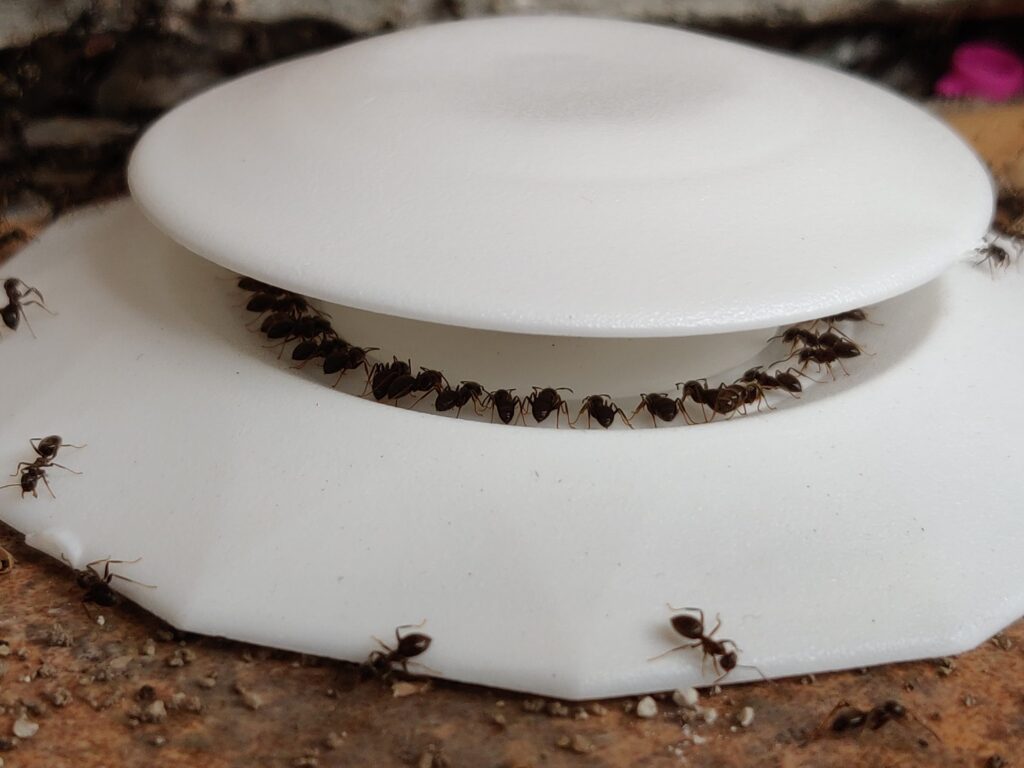
There are two main species of Ant that are likely to be encountered in the U.K.; the Black Garden Ant and the Pharoah’s ant.The Black Garden Ant is normally found stealing sweet or sugary foods from your kitchen.  These are the worker ants and once they find a food source, they alert other members of their colony and before you know it you have a trail of them, carrying their find back to the nest.

The Pharoah’s Ant is a much smaller Ant, gold in colour and these favour a protein based diet.  More commonly found in hospitals, nursing homes and warm buildings.

Treatment is available for both species but treatment method for each is VERY different. Just drop us a line, and we can sort you out in no time at all!

1 2